A Life in Ensembles
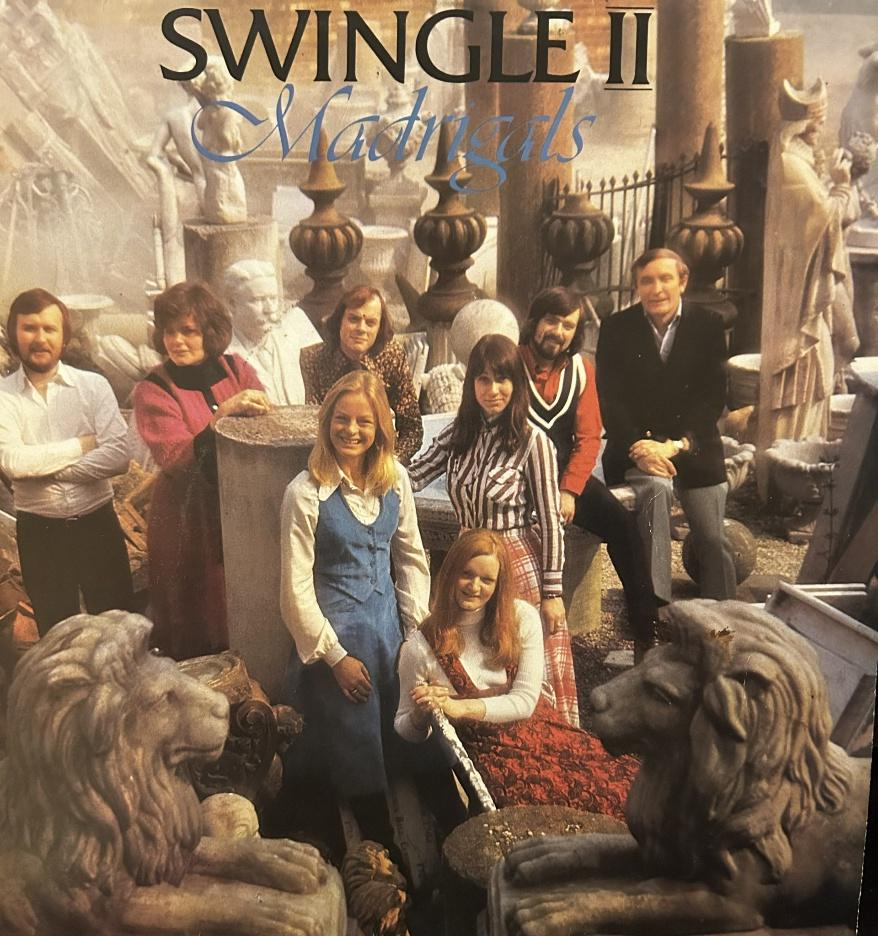
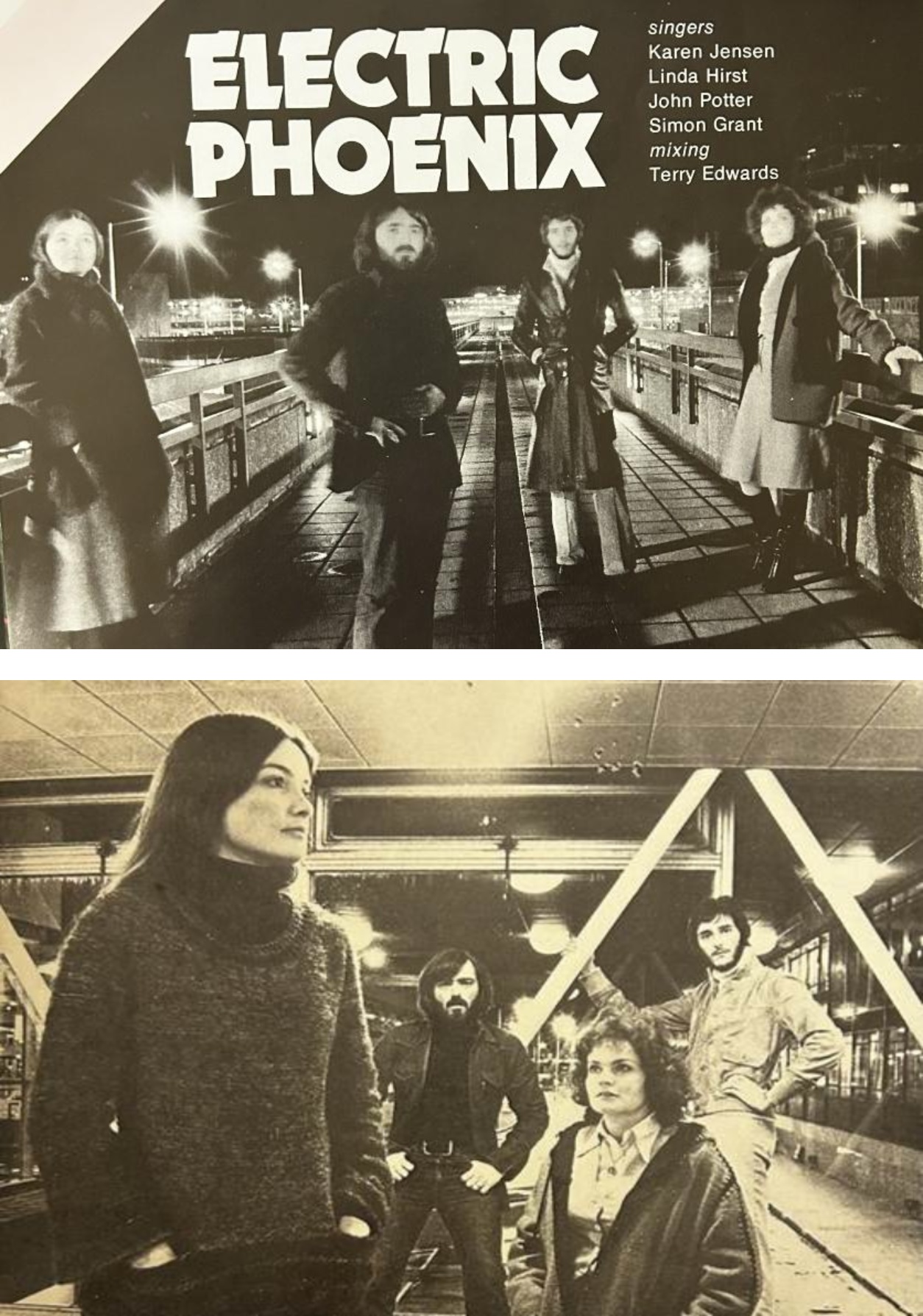
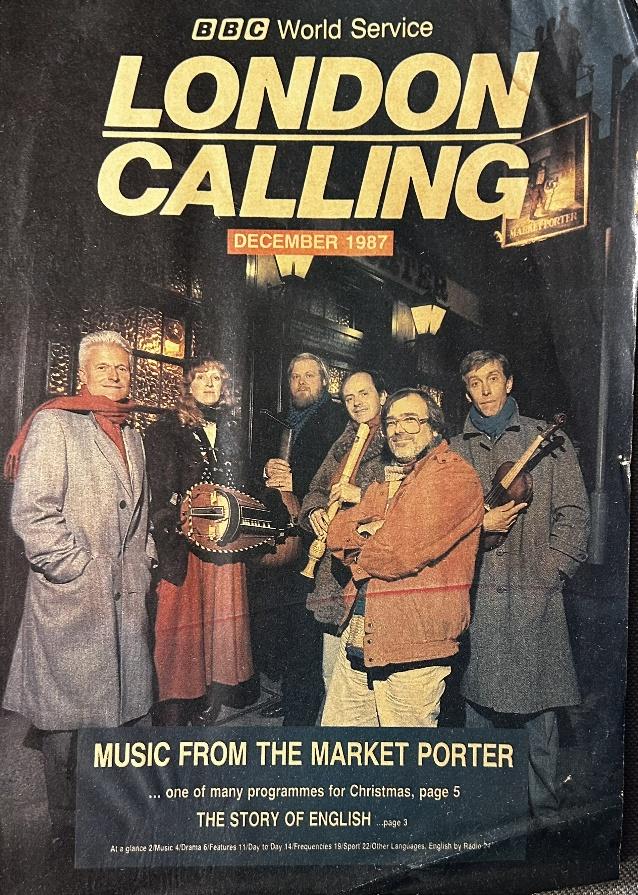
Although I started out intending to take the world by storm as a tenor soloist and did lots of Bach and Schubert (and even an opera or two) I soon found that singing in a small ensemble offered many more creative opportunities and was a lot more fun. Over many decades I've sung in some remarkable groups, each one a unique collaboration. After university line-ups with embarrassing names I graduated to Swingle II, Ward Swingle's first English group, the legacy of which survives only on vinyl (except for the RCA Berio recording which was re-released on CD). Then with some of my ex-Swingle mates I co-founded the avantgarde Electric Phoenix but left it before it recorded those fantastic pieces by Henri Pousseur, Roger Marsh and William Brooks.
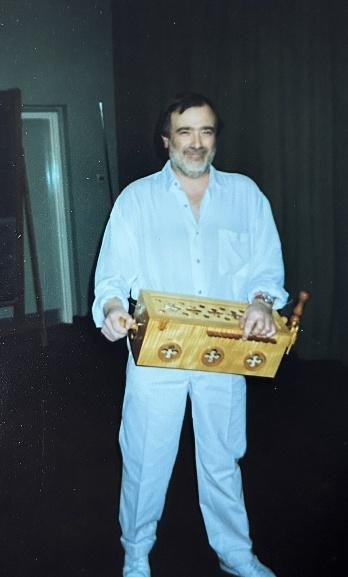
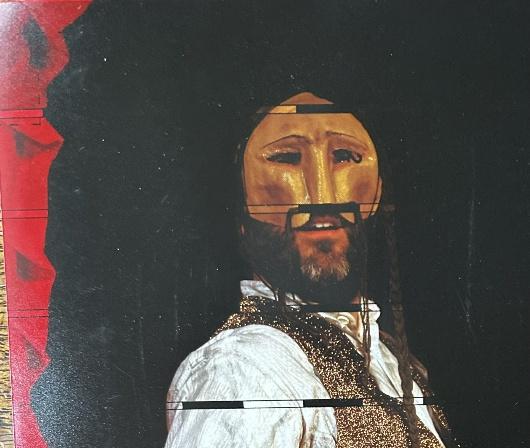
After a brief diversion into the New London Consort and an interlude of egomania as a one man band with hurdy-gurdy, oud and my own electronics (courtesy of the Arts Council) I formed a duo with sound guru John Whiting. As Electronic Vocal Theatre we commissioned pieces that were much too elaborate and esoteric to record (though there are some bizarre bootleg videos; I won't describe the set for Henry Brown's And the Word was made Flesh, in which I'm standing, masked and suited).
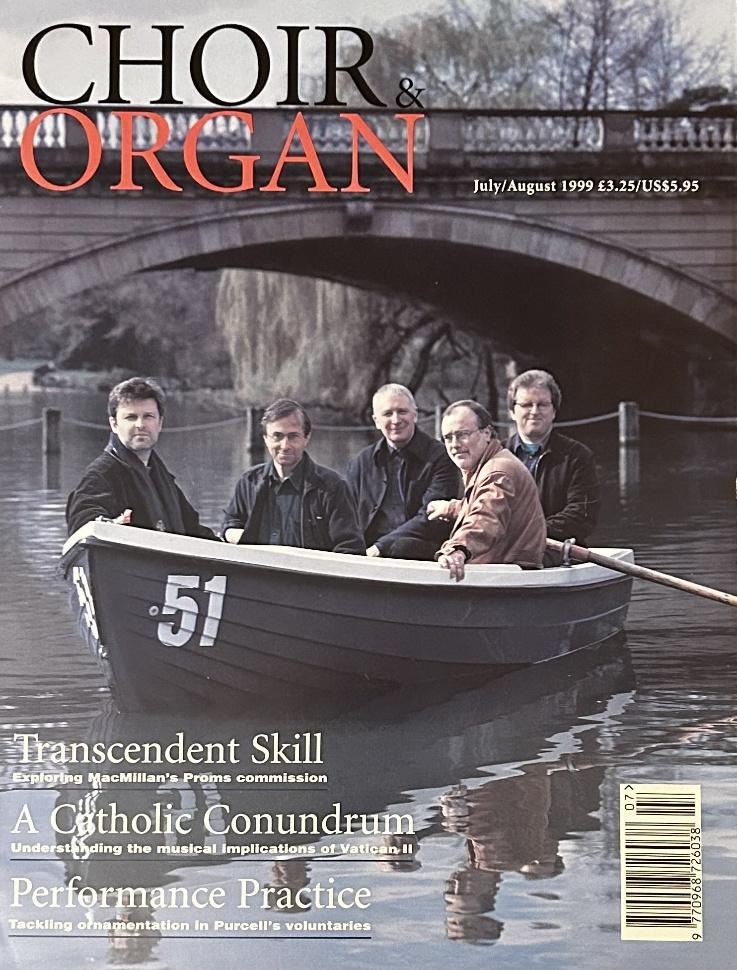
The old avantgarde was hugely exciting but didn't pay the bills, and I was saved from penury by being asked to join both the Consort of Musick and the Hilliard Ensemble. I ended up with the Hilliards (seen here in the Serpentine with James MacMillan). and stayed with them for almost two decades, accumulating a considerable discography on EMI and ECM (and gold discs for Officium with Jan Garbarek).
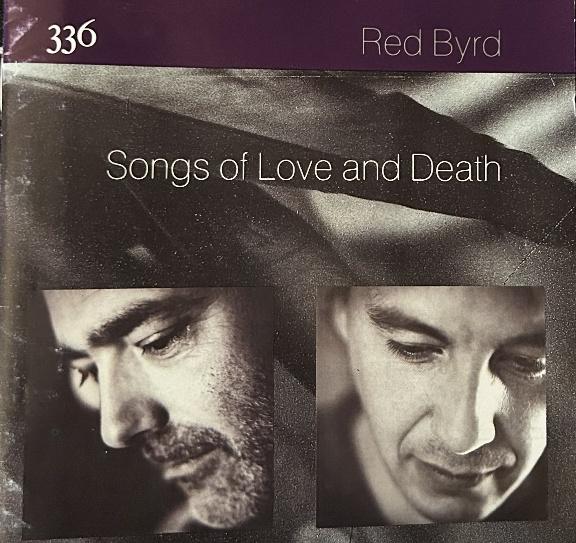
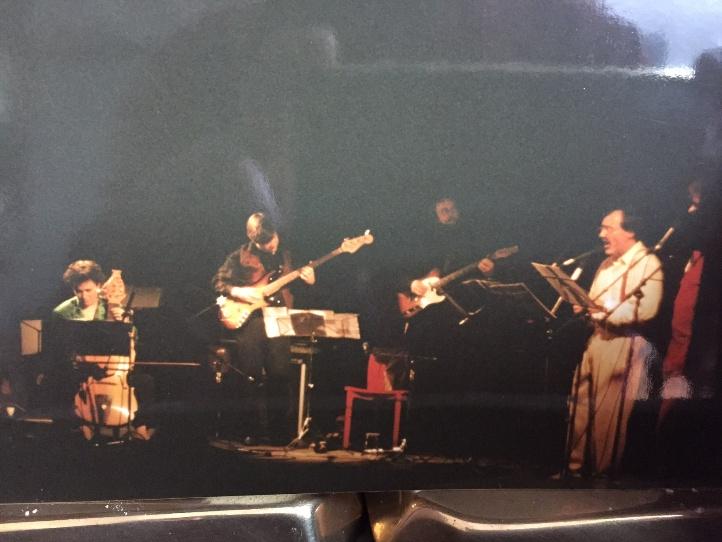
Looking for a return to the wilder shores of vocal music, Richard Wistreich and I founded Red Byrd, inspired by Bernard Thomas' London Pro Musica for whom we did two albums and a seminal Wigmore Hall event at which we leapt off the stage and showered the audience with biscotti. We would invite like-minded musicians to collaborate in projects ranging from the 12th century to the 20th; we made what became something of a cult album for Factory and a dozen albums for Hyperion.
It wasn't all vocal ensembles. I sang old English ballads with the Broadside Band (the National Anthem…) and did four albums with the Dufay Collective (much more subversive). While with the Hilliard Ensemble I'd met lutenist Stephen Stubbs, harpist Andrew Lawrence King and lirone player Erin Headly, aka Tragicomedia. We recorded 17th century English music, Monteverdi and Bach's Anna Magdalena songbook; a true meeting of minds.
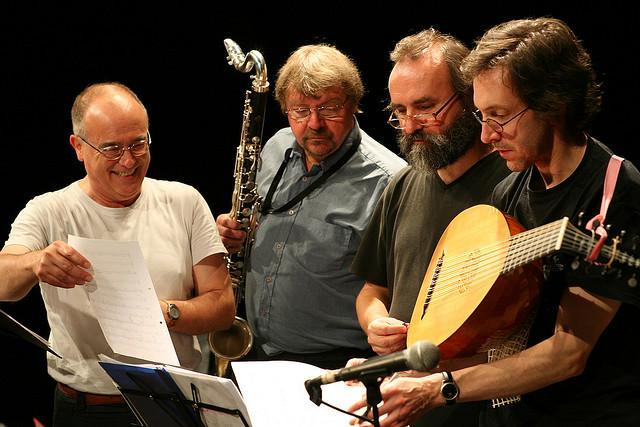
When I left the Hilliard Ensemble I was invited by Manfred Eicher to collaborate with John Surman (sax), Barry Guy (bass), Maya Homburger (baroque violin) and Stephen Stubbs (lute). As the Dowland Project we made four albums for ECM. Barry, Maya and Steve eventually moved to different countries and we were joined by Milos Valent (violin) and Jacob Heringman (lute), forging early music and improv.
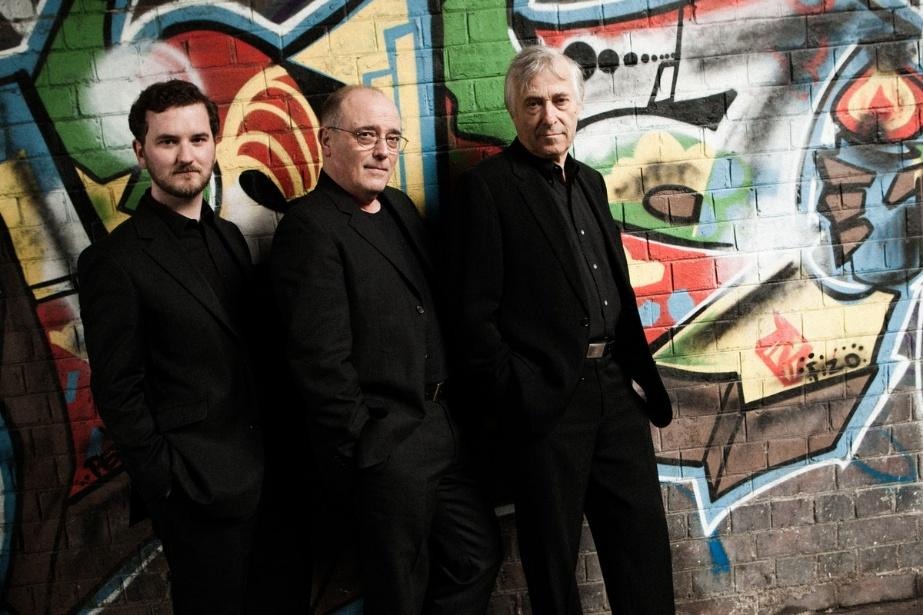
Building on Red Byrd's Hyperion Leonin albums I then reverted to the medieval with the Conductus Ensemble with Christopher O'Gorman and my ex-Hilliard colleague Rogers Covey-Crump as part of a research project led by Mark Everist at the University of Southampton. We made three albums for Hyperion, and at the same time I also sang with Anglo-German Sound and the Fury. If Red Byrd was a group with no members, the Sound and the Fury was a group with no concerts. We made more than dozen albums of C15 Franco-Flemish polyphony masterminded by Austrian early music icon Bernhard Trebuch.
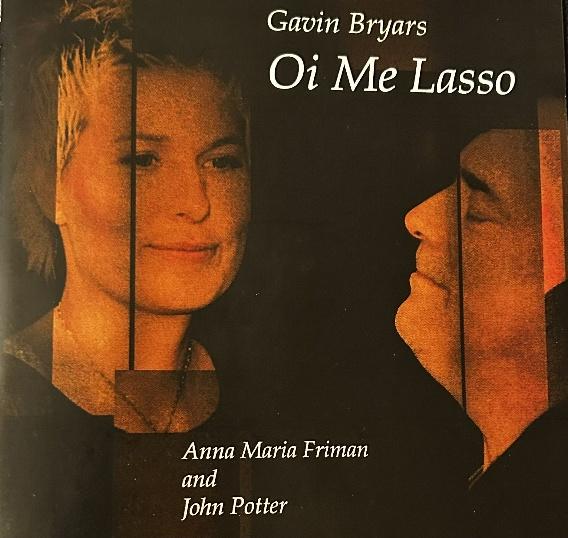
Meanwhile, back in the 21st century I sang for many years with the Gavin Bryars Ensemble, giving many first performances (and writing about Gavin's vocal music) and made a brief return to the electro-acoustic world with composer Ambrose Field, who re-composed Being Dufay in real time each time we performed it; we released the definitive version on ECM.
Finally, everything came together with Alternative History, lutes and voices that re-imagined early music and performed songs by Tony Banks, John Paul Jones, Peter Erskine and Sting as well as Peter Warlock and E J Moeran. Like the Dowland Project the name came after we'd released the first of two albums we made for ECM.
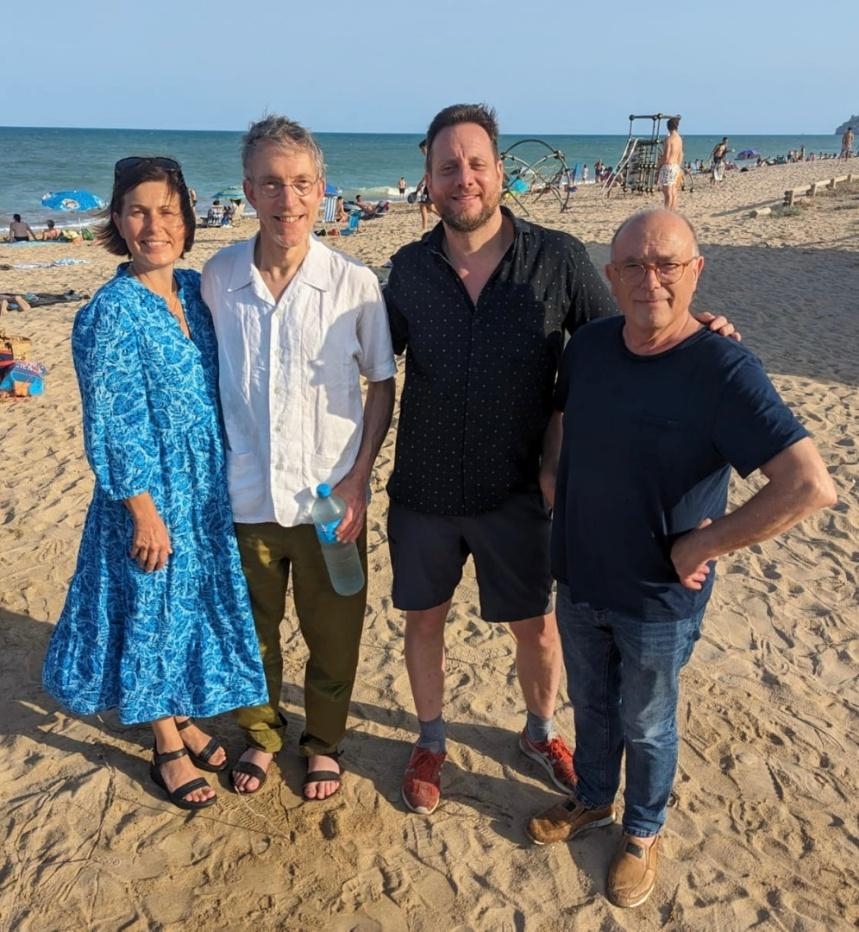
It's been a great privilege to coach and mentor some of the most creative European vocal ensembles. It all began with the Hilliard summer schools, which were attended by the German Ensembles Singer Pur and Amarcord, and great Finnish ensembles such as Köyhät Ritarit and Lumen Valo. I was asked to produce the first albums by the Scandinavian Trio Mediaeval and my ensemble course at York was instrumental in the founding of the English ensemble Juice. More recently I've coached German ensembles Calmus, Nobiles and Sjaella alongside my great friend Werner Schüßler.
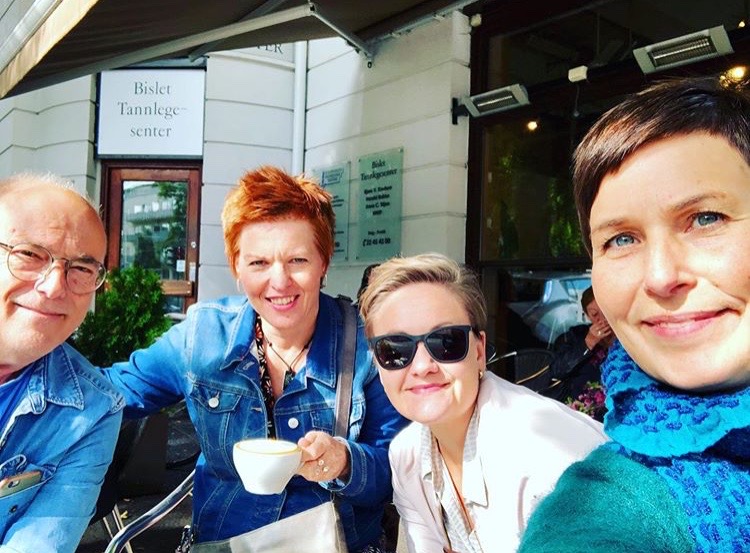
Covid and Brexit pretty much brought most of this to a kind of conclusion, though I still do the odd gig from time to time. I did a short retrospective blog post about some of my favourite albums, and there's a more complete discography here.
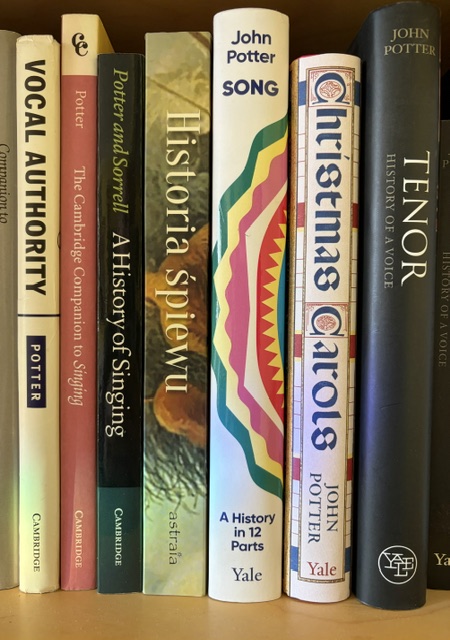
I sometimes worked during the day. I did a BA and a PhD with the Open University (with the legendary Richard Middleton) mostly while on the road with the Hilliard Ensemble, which led to my first book for Cambridge University Press, Vocal Authority. This enabled me to spend more than ten years as a lecturer at the University of York, a period which also included a year as an Edison Fellowship at the British Library where I researched my first book for Yale, Tenor: History of a Voice. There's a more or less complete bibliography here.